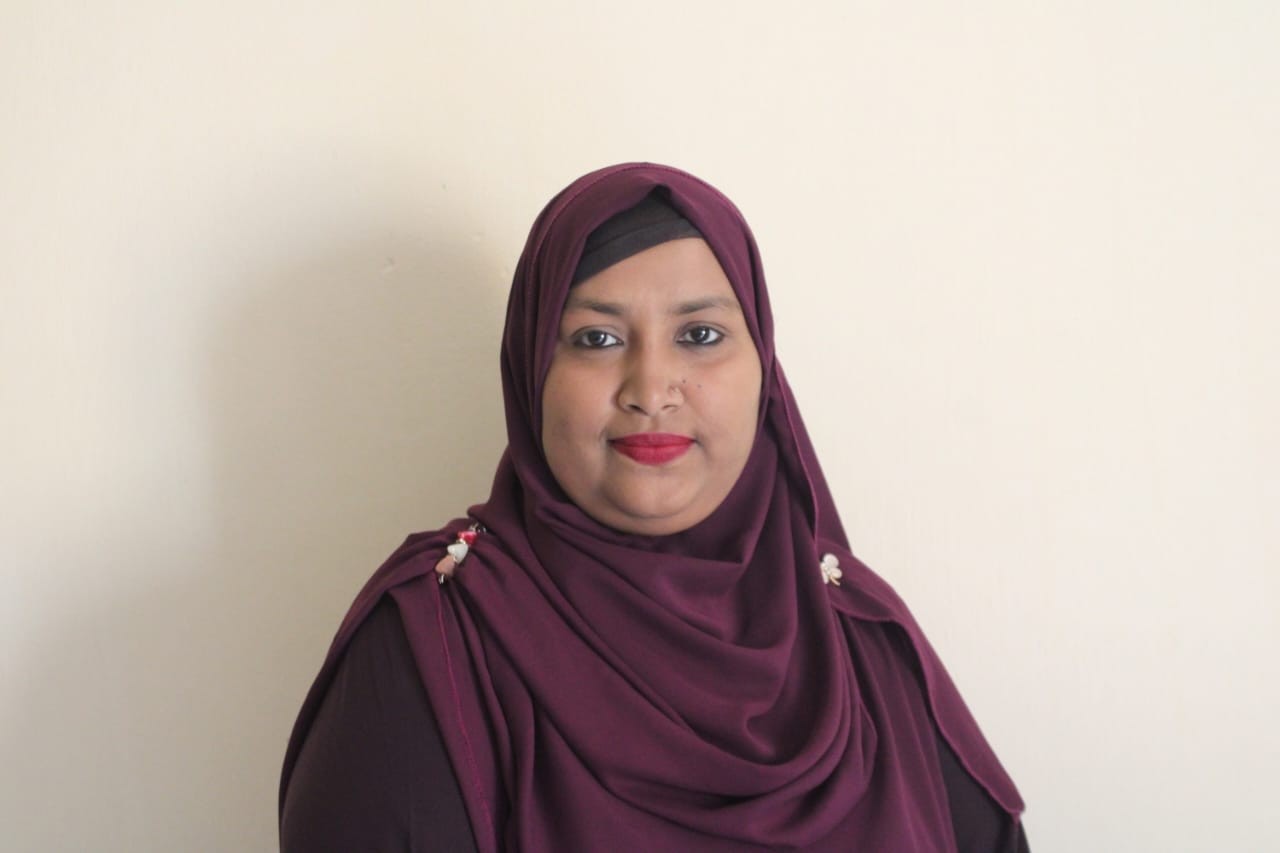
Sanjida Afrin Semme was born on January 27, 1994, in Lakshmipur District, Bangladesh. Known for her hard work, dedication, and passion for her field, she has built an impressive academic and professional career. Sanjida's academic journey began with exceptional achievements in her early education. She earned scholarships in both her Primary and Junior Scholarship Exams, demonstrating her commitment to excellence from a young age. She completed her Secondary School Certificate (SSC) from Monipur High School and her Higher Secondary Certificate (HSC) from BCIC College, achieving a perfect GPA of 5.0 in both examinations. Pursuing her passion for science, Sanjida enrolled in the Department of Fisheries and Marine Science at Noakhali Science and Technology University (NSTU). She completed her Bachelor of Science (BSc) degree with a remarkable CGPA of 3.85, securing the 4th position in her class. Her thirst for knowledge led her to further academic pursuits, and she completed her Master of Science (MS) degree in Fisheries Management from Bangladesh Agricultural University (BAU), where she earned a CGPA of 3.914 and secured the 2nd position. Sanjida has always been passionate about research, particularly in the fields of aquatic animal health and environmental pollution. Her BSc and MS thesis focused on the impact of heavy metal pollution in the Halda River, a prominent river in Bangladesh, and the surrounding coastal areas. She specifically studied the contamination of sediment, water, fish, and bivalves, contributing valuable insights into the environmental challenges faced by these ecosystems. Currently, Sanjida serves as a lecturer in the Department of Aquatic Animal Health Management at Habiganj Agricultural University, where she has been working since March 20, 2024. In her role, she continues to inspire and educate the next generation of researchers and professionals in the field of aquatic animal health management. Sanjida’s dedication to her work, her outstanding academic achievements, and her passion for environmental research make her a remarkable figure in her field. She continues to work diligently to advance scientific knowledge and contribute to the betterment of aquatic ecosystems in Bangladesh.